


-

Add: HeBei ShengShi HongBang Cellulose Technology CO.,LTD.
-

Email
13180486930@163.com -

CONTACT US
+86 13180486930

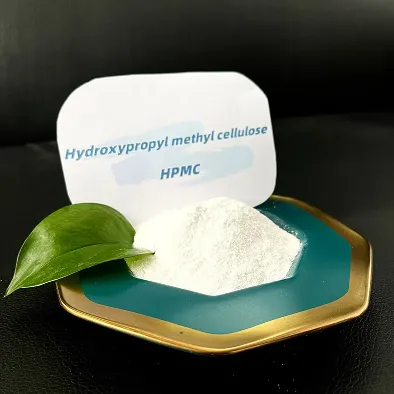



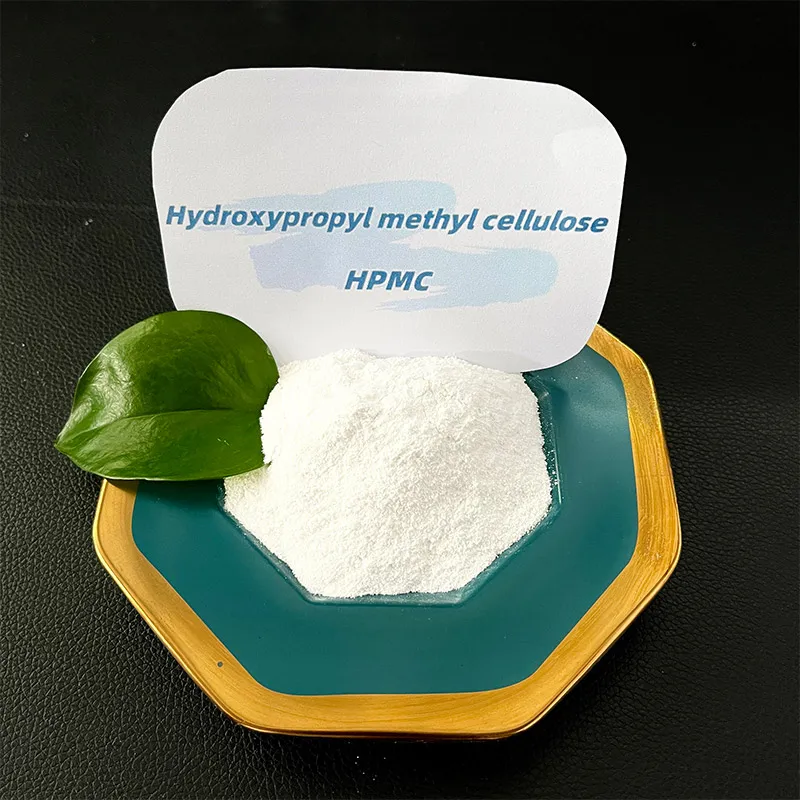
Understanding the properties and applications of HPMC K15M viscosity is critical for industries ranging from pharmaceuticals to construction. Hydroxypropyl methylcellulose (HPMC) is a multifunctional compound used primarily for its thickening and stabilizing properties. The alphanumeric code K15M denotes a particular viscosity grade that plays a significant role in determining its application suitability. When discussing the viscosity of HPMC K15M, we refer to the measure of its resistance to flow. Viscosity impacts the performance of HPMC in various formulations; hence, understanding its breadth can enhance application outcomes. The viscosity of HPMC K15M lies typically between 12,000 to 18,000 mPa.s, measured in a 2% solution at 20°C. This specific viscosity makes it a versatile option for formulations requiring medium to high viscosity levels. In pharmaceutical applications, the HPMC K15M grade finds extensive use in controlled release formulations. It acts as an essential component in hydrophilic matrices designed to extend the release of active pharmaceutical ingredients (APIs). The high viscosity of HPMC K15M provides a protective gel barrier when it comes in contact with gastrointestinal fluids. This gel barrier modulates the diffusion of APIs, thereby achieving a precise drug release profile. The expertise in formulating these controlled release systems requires a detailed understanding of how HPMC's viscosity interacts with other ingredients and its impact on overall pharmacokinetics. Beyond pharmaceuticals, HPMC K15M is pivotal in the construction industry, particularly in tile adhesives and mortars. The compound's viscosity contributes to increased water retention which ensures a longer open time and improves the workability of the mixtures. Experience shows that formulations including HPMC K15M provide superior consistency and adhesive strength. The expertise in balancing viscosity with other mechanical properties can result in end-products that are more durable and efficient. In the realm of food products, HPMC K15M serves as a thickening agent . It enhances the texture and stability of various food items without altering their taste or color. For instance, in gluten-free products, HPMC K15M imparts the necessary dough elasticity, ensuring the product mimics traditional gluten-containing bread or pastries. The authority in food science recognizes the importance of such ingredients in creating innovative and consumer-friendly products. In this context, the trustworthiness of HPMC K15M is underscored by its acceptance by food safety authorities, such as the FDA, recognizing it as safe for consumption. hpmc k15m viscosity Moreover, from a sustainability standpoint, HPMC K15M is derived from cellulose, the most abundant organic polymer on Earth. This aligns with eco-friendly production goals across various industries seeking to diminish their environmental footprint. The utilization of HPMC K15M reflects a knowledgeable approach to integrating green chemistry principles in commercial manufacturing processes, further establishing its role in sustainable product development. Finally, the trustworthiness of this compound can be best understood through its consistent performance and regulatory compliance. Industries leveraging HPMC K15M in their formulations benefit from its predictable behavior across different environments and its conformance to stringent quality standards. To maximize HPMC K15M’s potential, industries continue to innovate in formulation techniques. Advanced research focuses on how modifying HPMC’s chemical structure could lead to even more versatile applications and improved product qualities. Yet, as it stands, the benefits provided by the unique viscosity profile of HPMC K15M remain a cornerstone in both high-performance and routine applications. Thus, the exploration of HPMC K15M's viscosity is not merely a technical exercise but a pathway to improved product performance and innovation across multiple industries. Whether enhancing drug delivery mechanisms, improving construction materials, refining food textures, or driving eco-friendly practices, HPMC K15M stands as a testament to the intersection of science and industrial application.
- 40000tons

Production
- 20+years

Experience
- 5000+㎡

Acreage

-
Methyl hydroxyethyl cellulose (MHEC) is a versatile compound primarily used in the construction , pharmaceutical, and personal care industries. In recent years, the price of MHEC has become a significant consideration for manufacturers and suppliers. Understanding the fluctuations in the price of MHEC requires a comprehensive analysis of market dynamics, supplier strategies, and global economic factors. From an expert perspective, the price variance of MHEC can be attributed to several key factors. Firstly, raw material costs play a crucial role. The production of cellulose ethers like MHEC necessitates raw plant materials, which are susceptible to climatic variations and agricultural economics. Any adverse effects on raw material availability can directly influence MHEC pricing. The manufacturing process of MHEC itself demands scrutiny. The complexity and energy-intensive nature of its production process can lead to varied pricing. Factors such as technological advancements, efficiency in production, and regulatory compliance can affect manufacturing costs. Producers investing in state-of-the-art technology might offer slightly higher prices due to quality assurances and production stability. In terms of experience, stakeholders in the industry often observe that geopolitical tensions and trade policies impact pricing. Tariffs and trade barriers can increase costs for importing and exporting raw materials and finished products. Companies navigating these challenges often adjust their prices to maintain profitability and competitiveness. methyl hydroxyethyl cellulose price Furthermore, market demand significantly influences MHEC prices. With the rising boom in the construction industry across emerging economies, there's a consistent demand for enhanced construction materials. MHEC, known for its water retention, thickening, and binding properties, is in high demand, often pushing prices upward. Meanwhile, fluctuations in industries such as pharmaceuticals and cosmetics, where MHEC is used as a binder or thickener, add another layer of complexity to pricing dynamics. From an authoritative standpoint, environmental regulations and sustainable practices are also beginning to shape the price landscape of MHEC. As industries push towards greener production methodologies, investments in clean technologies can augment manufacturing expenses, thereby affecting the end price of MHEC. Trustworthiness in price analysis comes from reliable data sources and transparent supply chain practices. Companies that provide clear insights into their pricing strategies and cost breakdown garner more trust from buyers. Leveraging comprehensive market reports and price indices, along with networking with industry insiders, can offer valuable insights into the pricing strategies of competitors and global pricing trends. In conclusion, the pricing of methyl hydroxyethyl cellulose is a multifaceted subject influenced by raw material costs, manufacturing complexity, market demand, geopolitical factors, and environmental regulations. Manufacturers and suppliers looking to gain a competitive edge must pay close attention to these factors and cultivate a deep understanding backed by reliable data and expert insights. Trust and expertise, coupled with strategic adaptability, will be crucial for navigating this dynamic market effectively.
-
Materials derived from natural sources, like wood cellulose , are redefining industries with their versatility and sustainability. Products such as xylem fiber , fibre made from wood pulp , and bleached wood pulp offer an eco-friendly alternative to synthetic materials while maintaining exceptional functionality. Their adaptability makes them ideal for use in construction, textiles, packaging, and beyond. Wood Cellulose: Nature’s Engineering Marvel Wood cellulose is a fundamental component of plant cell walls, known for its strength, flexibility, and lightweight properties. Derived from sustainably harvested timber, it is processed into versatile forms that cater to various industrial needs. Whether used as a construction additive, a textile fiber, or a packaging material, wood cellulose offers unmatched durability and eco-friendliness. This material is integral to modern manufacturing, especially as industries shift toward renewable resources. With its availability in forms like fibre made from wood pulp , wood cellulose is at the forefront of sustainable innovation, providing both functionality and environmental benefits. Xylem Fiber: Strength and Adaptability A specialized form of wood cellulose , xylem fiber is celebrated for its structural strength and water transport capabilities. This fiber, which mimics the natural function of xylem in trees, is ideal for applications requiring moisture resistance and durability. Industries such as paper manufacturing, filtration, and packaging rely heavily on xylem fiber for its reliability and adaptability. The increasing demand for eco-conscious materials has made xylem fiber a popular choice in product innovation. Its natural composition ensures it is biodegradable and renewable, making it a superior alternative to non-biodegradable synthetic fibers. By incorporating xylem fiber into production processes, companies can reduce their environmental impact without compromising on quality. Fibre Made from Wood Pulp: Sustainability Meets Functionality Fibre made from wood pulp is revolutionizing industries like fashion, hygiene, and construction. This material offers the strength of synthetic fibers while being more sustainable and environmentally friendly. Its softness, durability, and breathability make it a preferred choice for textiles, such as clothing and home furnishings. Beyond textiles, fibre made from wood pulp is widely used in absorbent products, including diapers and medical pads, due to its excellent moisture retention properties. Additionally, it plays a vital role in creating lightweight composites and durable building materials. The versatility of this wood cellulose derivative continues to drive innovation across sectors. Bleached Wood Pulp: A Staple in Quality Manufacturing Bleached wood pulp is a refined version of wood cellulose , processed to achieve a bright, pure-white appearance. This material is crucial in producing high-quality paper, hygiene products, and specialty applications like medical-grade textiles. Its smooth texture, uniformity, and strength make it an essential component in industries that demand precision and reliability. The bleaching process enhances the purity of bleached wood pulp , ensuring it meets strict industry standards. Moreover, modern advancements have made bleaching more sustainable, minimizing environmental impact. Whether used in premium packaging, tissue paper, or industrial filters, bleached wood pulp exemplifies how wood cellulose can deliver excellence and sustainability. Why Choose Wood Cellulose for Your Needs? Materials like wood cellulose , xylem fiber , fibre made from wood pulp , and bleached wood pulp offer a harmonious blend of sustainability, performance, and versatility. As industries pivot toward greener solutions, these natural fibers provide a reliable and eco-conscious alternative to synthetic materials. By integrating wood cellulose into products and processes, businesses can achieve superior quality while reducing their environmental footprint. From construction to textiles and packaging, the applications of these fibers are vast and impactful. Harness the power of wood cellulose and its derivatives to create innovative, sustainable, and high-performance solutions for today’s world.
advantages
-

200000 Viscosities
Excellent product
We can produce pure products up to 200,000 viscosities
-

40000 tons
High yield
We don’t stop production all year round, and the annual output can reach 40,000 tons
-

24 hours
Quality service
We provide 24-hours online reception service, welcome to consult at any time
———— Inquiry Form
Schedule A services

-
 fibra_de_polipropileno
Oct . 25, 2025
Kizuia Jasi Embracing Resilience and Strength In a world fraught with challenges, the concept of Kiz -
 kegunaan_hidroksipropil_metilselulosa
Oct . 25, 2025
Hydroxypropyl methylcellulose (HPMC) is a versatile product that has gained tremendous attention acr -
 fiber_polypropen_kwa_ajili_ya_kuuza
Oct . 25, 2025
Different Types of Synthetic Fibers Synthetic fibers have revolutionized the textile industry since


